Effective Negotiation Strategies for Construction Professionals
- BHADANIS QUANTITY SURVEYING ONLINE TRAINING INSTITUTE

- Mar 24
- 3 min read
Negotiation plays a crucial role in construction projects. Whether you are a quantity surveyor, MEP engineer, civil engineer, construction manager, or architect, your ability to negotiate effectively can influence project costs, timelines, and relationships. Construction projects often involve multiple parties with different priorities, making negotiation a daily necessity. This article explores practical negotiation strategies tailored for construction professionals to help you reach agreements that benefit all stakeholders.
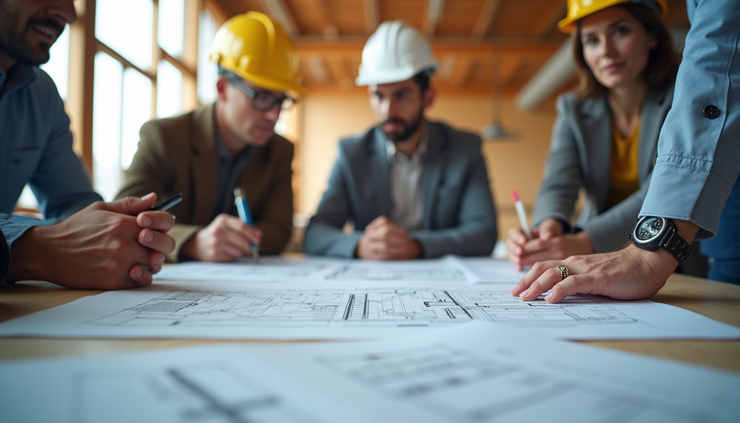
Understand the Interests Behind Positions
In construction negotiations, parties often start with fixed positions, such as a price or deadline. Successful negotiators look beyond these positions to understand the underlying interests. For example, a contractor may insist on a higher price because they want to cover unexpected risks. A client may push for a shorter schedule because of market demands.
How to apply this:
Ask open-ended questions to uncover what matters most to the other party.
Listen carefully to their concerns and motivations.
Share your own interests clearly to build trust.
By focusing on interests rather than positions, you open the door to creative solutions that satisfy both sides.
Prepare Thoroughly Before Negotiations
Preparation is key to confidence and success. Construction professionals should gather all relevant information before entering negotiations. This includes project specifications, contract terms, cost estimates, and potential risks.
Preparation tips:
Review previous similar projects for benchmarks.
Understand the market rates for materials and labor.
Identify your non-negotiables and areas where you can be flexible.
Anticipate objections and prepare responses.
Well-prepared negotiators can present facts clearly and avoid being pressured into unfavorable terms.
Build Relationships and Maintain Professionalism
Construction projects often span months or years, involving repeated interactions with the same parties. Building positive relationships helps negotiations proceed smoothly and reduces conflicts.
Ways to build rapport:
Communicate respectfully and listen actively.
Show appreciation for the other party’s expertise and constraints.
Avoid aggressive or confrontational language.
Follow through on commitments promptly.
A professional approach encourages cooperation and long-term partnerships.
Use Clear and Simple Language
Technical jargon and complex terms can create misunderstandings during negotiations. Use clear, straightforward language to ensure everyone understands the points being discussed.
Tips for clarity:
Avoid acronyms or explain them when necessary.
Summarize key points periodically.
Confirm mutual understanding before moving on.
Use visuals like sketches or charts if helpful.
Clear communication reduces errors and builds confidence in agreements.
Focus on Win-Win Solutions
Negotiations should aim for outcomes where all parties feel they have gained something valuable. This approach fosters goodwill and reduces the chance of disputes later.
Examples of win-win strategies:
Adjusting project scope to meet budget without sacrificing quality.
Offering flexible payment terms to ease cash flow.
Sharing risk by agreeing on contingency plans.
Scheduling work phases to minimize downtime for subcontractors.
By seeking mutual benefits, you create a foundation for successful project delivery.
Manage Emotions and Stay Calm
Construction negotiations can become tense, especially when stakes are high or deadlines tight. Managing emotions helps keep discussions productive.
How to stay calm:
Take deep breaths and pause if conversations get heated.
Focus on facts rather than personal feelings.
Avoid blaming or finger-pointing.
If needed, suggest a short break to regroup.
A calm demeanor encourages rational decision-making and respect.
Know When to Walk Away
Sometimes, negotiations reach an impasse where no agreement is possible without compromising essential interests. Knowing when to pause or walk away protects your position.
Signs to consider walking away:
The other party refuses to address critical concerns.
Offers are clearly unfair or unrealistic.
Communication breaks down repeatedly.
Risks outweigh potential benefits.
Walking away can open space for reconsideration or alternative solutions later.
Document Agreements Clearly
Once terms are agreed upon, document them precisely to avoid misunderstandings. Construction projects involve many details, and clear records protect all parties.
Documentation best practices:
Write down all agreed points, including deadlines, costs, and responsibilities.
Use simple language and avoid ambiguity.
Have all parties review and sign the document.
Keep copies accessible for reference throughout the project.
Clear documentation reduces disputes and supports smooth project execution.
Learn from Each Negotiation
Every negotiation provides lessons to improve your skills. Reflect on what worked well and what could be better next time.
Ways to learn:
Keep a negotiation journal noting key points and outcomes.
Seek feedback from colleagues or mentors.
Attend workshops or training focused on negotiation.
Practice role-playing different scenarios.
Continuous improvement helps you become a more effective negotiator over time.
Negotiation is a vital skill for construction professionals. By understanding interests, preparing thoroughly, communicating clearly, and focusing on solutions that benefit all parties, you can navigate complex discussions with confidence. Building strong relationships and managing emotions also contribute to successful outcomes. Remember to document agreements carefully and learn from each experience to sharpen your approach.
If you want to deepen your knowledge and skills in construction negotiation and quantity surveying, consider exploring comprehensive training options.
500+ CONSTRUCTION COURSES FOR FULL TRAINING WHATSAPP US AT +918603333379 BHADANIS QUANTITY SURVEYING TRAINING INSTITUTE www.bhadanisrecordedlectures.com FOR FULL TRAINING & CERTIFICATIONS
Comments