Effective Techniques for Preparing an Accurate Measurement Sheet in Construction

Accurate measurement sheets form the backbone of any successful construction project. Without precise measurements, project estimates, material procurement, and scheduling can quickly go off track, leading to delays and increased costs. For quantity surveyors, civil engineers, MEP engineers, construction managers, and architects, mastering the preparation of measurement sheets is essential. This post explores practical techniques to create clear, reliable measurement sheets that support smooth project execution.
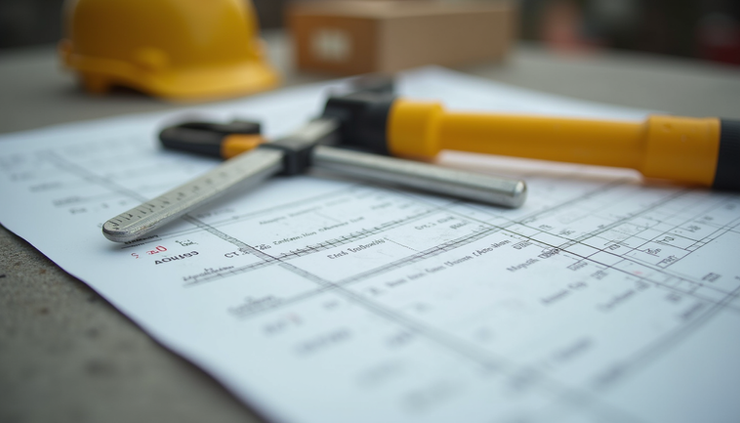
Understand the Project Scope Thoroughly
Before starting any measurement work, it’s crucial to have a clear understanding of the project scope. This means reviewing architectural drawings, structural plans, and specifications carefully. Knowing exactly what needs to be measured helps avoid missing critical elements or including unnecessary details.
Review all drawings and documents related to the project.
Clarify any ambiguous points with the design team.
Identify the key components that require measurement, such as walls, slabs, finishes, and MEP installations.
Understanding the scope reduces errors and saves time during measurement.
Use a Systematic Approach to Measurement
A systematic approach ensures consistency and completeness. Break down the project into manageable sections or elements and measure each one methodically.
Divide the project into zones or floors.
Measure structural elements first, followed by finishes and services.
Record measurements in a logical order, such as left to right or top to bottom.
This approach helps avoid duplication or omission of measurements and makes cross-checking easier.
Choose the Right Units and Standards
Using consistent units and following relevant standards is vital for clarity and accuracy.
Use metric units (meters, square meters, cubic meters) unless the project specifies otherwise.
Follow local or international measurement standards applicable to your region or project type.
Clearly state the units on the measurement sheet to avoid confusion.
Consistency in units and standards allows smooth communication between all parties involved.
Record Clear and Detailed Descriptions
Each measurement should include a clear description of the item being measured. Vague or incomplete descriptions can lead to misunderstandings and errors in quantity takeoff.
Specify the type of material or element (e.g., brick wall, reinforced concrete slab).
Include dimensions such as length, width, height, or thickness.
Note any special conditions like openings, finishes, or reinforcement.
Detailed descriptions help everyone understand exactly what the measurement refers to.
Use Accurate Measurement Tools
The accuracy of your measurement tools directly affects the quality of your measurement sheet.
Use calibrated tape measures, laser distance meters, or digital measuring devices.
Double-check measurements with different tools when possible.
Keep tools in good condition and replace worn-out equipment.
Accurate tools reduce the risk of errors and improve confidence in the data collected.
Double-Check and Cross-Verify Measurements
Errors can happen even with the best preparation. Always double-check your measurements to catch mistakes early.
Re-measure critical dimensions.
Cross-verify measurements with drawings and site conditions.
Have a colleague review the measurement sheet for accuracy.
This extra step helps prevent costly errors during construction or procurement.
Organize the Measurement Sheet Clearly
A well-organized measurement sheet makes it easier to read, understand, and use.
Use tables with clear headings for item description, quantity, unit, and remarks.
Group related items together.
Leave space for notes or adjustments.
Clear organization saves time during quantity takeoff and cost estimation.
Include Photographs or Sketches When Needed
Sometimes, written descriptions alone are not enough. Including sketches or photos can clarify complex measurements.
Add simple sketches to show measurement points or unusual shapes.
Attach photos of site conditions or specific elements.
Use these visuals to support the written data.
Visual aids reduce misunderstandings and improve communication with the team.
Keep Measurement Sheets Updated
Construction projects evolve, and so do measurements. Keep your sheets current to reflect any changes.
Update sheets after site changes or design revisions.
Note the date of each update.
Archive previous versions for reference.
Updated sheets ensure that everyone works with the latest information.
Use Examples to Illustrate Measurement Techniques
Here are some practical examples to demonstrate effective measurement sheet preparation:
Measuring a wall: Note the length and height, subtract openings like doors and windows, and specify the wall type.
Measuring a slab: Record the length, width, and thickness, and include any reinforcement details.
Measuring MEP ducts: Measure length and diameter, and note the material and insulation if applicable.
These examples show how detailed and accurate measurements support precise quantity calculations.
Communicate Clearly with the Team
Measurement sheets are tools for communication. Share them regularly with engineers, architects, and construction managers.
Discuss any discrepancies or uncertainties.
Use the sheets as a basis for site meetings.
Encourage feedback to improve accuracy.
Clear communication helps avoid mistakes and keeps the project on track.
Preparing an accurate measurement sheet requires attention to detail, a clear process, and good communication. By understanding the project scope, using systematic methods, and verifying data carefully, professionals can create reliable measurement sheets that support successful construction projects. Whether you are a quantity surveyor, engineer, or architect, these techniques will help you deliver precise measurements that save time and reduce costs.
For those looking to deepen their skills, 500+ construction courses are available for full training. Reach out via WhatsApp at +918603333379 or visit Bhadani’s Quantity Surveying Training Institute for comprehensive training and certifications.
Comments