Mastering Decorative Joinery for Successful Building Floor Fit-Out Projects
- BHADANIS QUANTITY SURVEYING ONLINE TRAINING INSTITUTE

- Apr 7
- 3 min read
Decorative joinery plays a crucial role in shaping the look and feel of interior spaces. Whether in residential towers, commercial offices, hotels, or retail malls, the quality of joinery work directly impacts the overall impression and durability of a building’s interior. In many Gulf and international construction projects, joinery is treated as a specialized craft rather than a simple finishing task. This blog post explores the essential aspects of decorative joinery in building floor fit-out projects, focusing on design, installation, and cost estimation to help construction professionals deliver superior results.

Understanding Decorative Joinery in Floor Fit-Outs
Decorative joinery refers to the custom woodwork elements that enhance the aesthetics and functionality of interior spaces. Common components include doors, wardrobes, wall panels, ceilings, and staircases. These elements require precise design and execution to meet high standards of finish and durability.
Why Joinery Matters
Visual Impact: Joinery defines the character of a space. Clean lines, uniform gaps, and flawless finishes create a polished look.
Durability: Quality joinery withstands wear and tear, maintaining appearance over time.
Value Addition: Well-executed joinery increases property value and client satisfaction.
Project Success: Accurate design, installation, and cost control reduce delays and budget overruns.
In Gulf markets, clients expect joinery to meet international standards. This means no visible defects, consistent finishes, and long-lasting materials.
Key Design Considerations
Designing decorative joinery requires balancing aesthetics with practicality. Here are important factors to consider:
Material Selection: Choose wood types and finishes that suit the environment and usage. For example, hardwoods for high-traffic areas, moisture-resistant materials for humid zones.
Precision in Dimensions: Accurate measurements prevent gaps and misalignments.
Integration with Other Elements: Joinery should complement lighting, flooring, and furniture.
Compliance with Standards: Follow local building codes and client specifications.
Designers often use 3D modeling software to visualize joinery details and detect potential issues before fabrication.
Best Practices for Installation
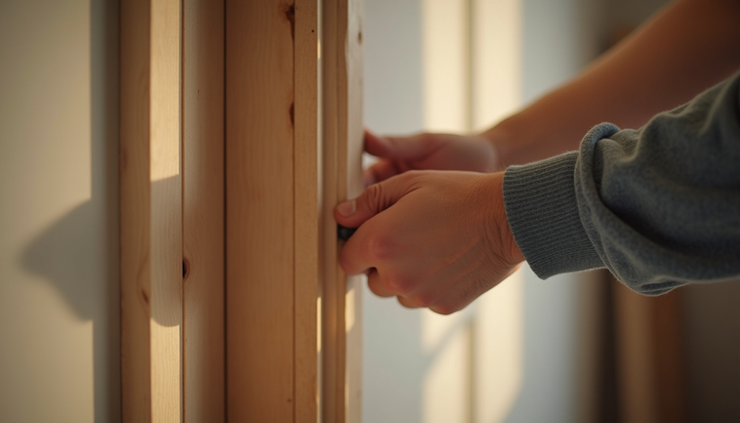
Installation is where design meets reality. Proper site practices ensure the joinery fits perfectly and performs well.
Site Preparation: Ensure surfaces are level and clean before installation.
Skilled Workforce: Use trained carpenters familiar with joinery techniques.
Quality Checks: Inspect each component for defects before fitting.
Secure Fixings: Use appropriate fasteners to avoid movement or damage.
Finishing Touches: Sanding, polishing, and sealing enhance appearance and durability.
Mistakes during installation can cause costly rework and delay project timelines.
Practical Estimation for Joinery Works
Estimating costs accurately is vital for project planning and profitability. Estimators must consider:
Material Costs: Include wood, hardware, finishes, and wastage.
Labor Charges: Account for skilled and unskilled labor hours.
Equipment and Tools: Factor in rental or depreciation costs.
Transportation and Handling: Include delivery and storage expenses.
Contingencies: Allow for unexpected issues or changes.
Using detailed take-offs and historical data improves estimate reliability. Estimators should also communicate clearly with designers and contractors to align expectations.
Real-World Example
In a recent commercial office fit-out in Dubai, the project team faced challenges with custom wall panels. Early collaboration between designers, installers, and estimators helped identify potential fit issues. The team used 3D models to refine panel dimensions and selected moisture-resistant wood to handle the humid climate. Skilled carpenters installed the panels with minimal gaps, and the estimator’s detailed budget kept costs within 5% of the forecast. The client praised the flawless finish and durability after one year.
Comments