Mastering Water and Irrigation Quantity Surveying for Civil Engineers in 6 Months
- BHADANIS QUANTITY SURVEYING ONLINE TRAINING INSTITUTE

- Apr 7
- 3 min read
Water and irrigation projects form the backbone of agricultural productivity and urban water management across many regions, especially in India, the Middle East, and Africa. These projects demand precise planning, cost control, and efficient construction management to ensure sustainability and timely delivery. Civil engineers and quantity surveyors working in this sector face unique challenges that require specialized knowledge beyond traditional civil engineering skills.
A focused 6-month professional course in Water & Irrigation Quantity Surveying and Construction Management offers a practical path to mastering these skills. This blog explores why this training is essential, what it covers, and how it prepares professionals for success in this demanding field.

Irrigation canal construction site showing surveying equipment and ongoing work
Why Water and Irrigation Quantity Surveying Matters
Water infrastructure projects involve complex systems such as canals, reservoirs, pipelines, and drainage networks. Managing these requires more than engineering design; it demands accurate quantity estimation, cost control, and effective project management.
Civil engineers often struggle with:
Estimating material quantities accurately for tenders and budgets
Managing costs to avoid overruns in large-scale irrigation projects
Coordinating construction activities on-site to meet deadlines
Understanding the technical and financial aspects of irrigation schemes
Quantity surveying bridges the gap between engineering design and financial management. It ensures that projects remain feasible and profitable while meeting technical standards.
Who Should Consider This Course
This course is designed for professionals involved in water and irrigation projects, including:
Civil engineers working on irrigation and water resource projects
Quantity surveyors specializing in infrastructure estimation
Irrigation project managers overseeing construction and budgets
Construction planners coordinating schedules and resources
Water resources professionals aiming to enhance project delivery skills
The course suits those targeting government roles, consultancy positions, or contracting jobs in India and the Gulf Cooperation Council (GCC) countries, where irrigation infrastructure is a priority.
What the 6-Month Course Covers
The program combines five integrated courses to build comprehensive expertise over 720 hours of online learning. Key areas include:
1. Quantity Surveying for Water and Irrigation Projects
Techniques for accurate measurement of earthworks, concrete, and pipeline materials
Preparing detailed bills of quantities (BOQ) for irrigation components
Cost estimation methods tailored to canal and reservoir construction
2. Construction Management Principles
Scheduling and resource allocation for irrigation projects
Site coordination and supervision best practices
Quality control and safety standards specific to water infrastructure
3. Tendering and Contract Documentation
Preparing tender documents and evaluating bids
Contract types and risk management in irrigation projects
Legal and regulatory compliance in construction contracts
4. Project Cost Control and Financial Management
Budget monitoring and cost reporting techniques
Handling variations and claims during construction
Financial forecasting and cash flow management
5. Practical Case Studies and Field Applications
Real-world examples from Indian and GCC irrigation projects
Hands-on exercises in estimation and site management
Use of software tools for quantity surveying and project tracking
Benefits of Online Learning for Busy Professionals
The course is delivered 100% online, allowing learners to study at their own pace while continuing their professional work. This flexibility helps engineers and surveyors balance learning with job responsibilities.
Interactive modules, video lectures, and downloadable resources make the content accessible and engaging. Regular assessments and instructor support ensure steady progress and skill mastery.
Real-World Impact of Mastering These Skills
Professionals trained in water and irrigation quantity surveying contribute directly to:
Reducing project delays caused by inaccurate estimates or poor planning
Controlling costs in multi-million-dollar irrigation schemes
Improving water delivery efficiency through well-managed infrastructure
Enhancing career prospects with specialized expertise in a niche field
For example, a civil engineer who mastered quantity surveying techniques was able to identify cost-saving opportunities in a canal lining project, reducing material waste by 15% and saving the contractor significant expenses.
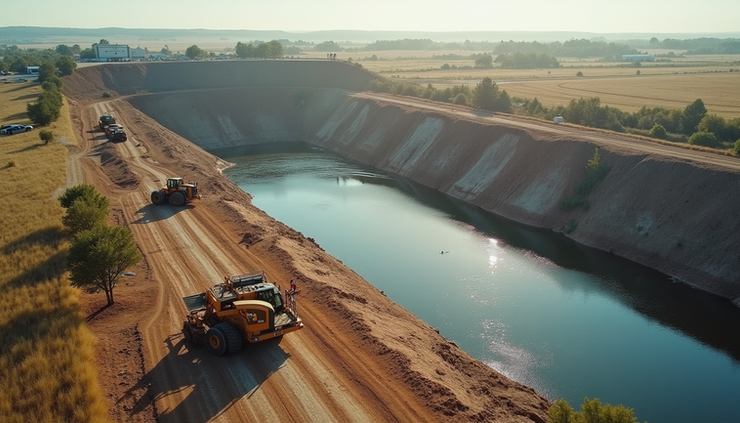
Irrigation dam construction site showing earthmoving equipment and active work
How to Get Started
If you are a civil engineer or quantity surveyor aiming to specialize in water and irrigation projects, enrolling in a structured 6-month course is a smart investment. Look for programs that offer:
Comprehensive syllabus covering technical, managerial, and financial aspects
Practical training with real project examples
Flexibility through online delivery
Certification recognized by industry professionals
The BHADANIS Quantity Surveying & Estimation Training Institute offers such a course, designed since 2016 to meet industry needs in India and GCC countries.
Final Thoughts
Mastering water and irrigation quantity surveying within six months equips civil engineers and related professionals with the skills to manage complex projects confidently. This expertise leads to better project outcomes, cost savings, and career growth in a vital sector.
Taking this step means gaining a competitive edge in the growing field of irrigation infrastructure, where precise estimation and construction management are crucial for success. Consider enrolling in a dedicated course today to build your knowledge and open new professional opportunities.
Comments