Strategies for Effectively Managing Construction Delays in Your Projects
- BHADANIS QUANTITY SURVEYING ONLINE TRAINING INSTITUTE

- Mar 24
- 3 min read
Construction delays can disrupt schedules, increase costs, and strain relationships among project stakeholders. For quantity surveyors, MEP engineers, civil engineers, construction managers, and architects, understanding how to manage these delays is essential to keep projects on track and within budget. This post explores practical strategies to identify, control, and reduce delays in construction projects.
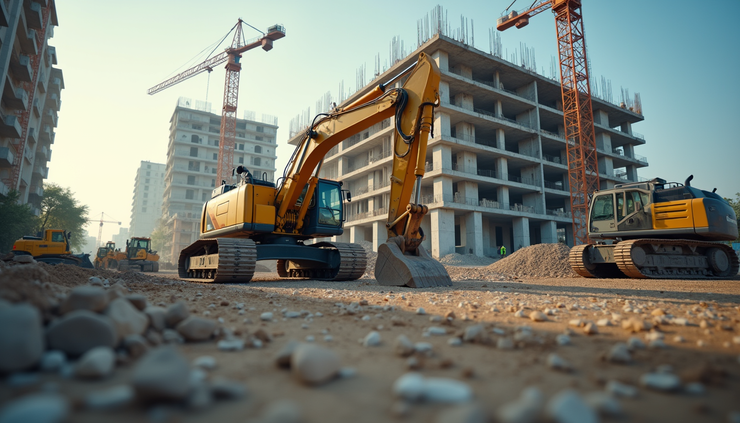
Understanding the Causes of Construction Delays
Before managing delays, it is important to recognize their common causes. Delays often arise from:
Poor planning and scheduling: Incomplete or unrealistic timelines can lead to missed deadlines.
Unforeseen site conditions: Hidden obstacles like soil issues or underground utilities can halt progress.
Material shortages or late deliveries: Delays in supply chains affect the availability of critical materials.
Labor shortages or inefficiencies: Insufficient skilled workers or poor coordination reduce productivity.
Design changes and approvals: Last-minute changes or slow approval processes disrupt workflows.
Weather conditions: Rain, extreme heat, or cold can stop outdoor work.
Equipment breakdowns: Machinery failure causes downtime.
Communication gaps: Misunderstandings between teams lead to errors and rework.
Knowing these causes helps project teams anticipate potential problems and prepare accordingly.
Planning and Scheduling with Realism
A solid plan is the foundation for managing delays. Use these approaches:
Set achievable timelines based on realistic assessments of work scope and resources.
Include buffer time for unexpected issues, especially for critical path activities.
Break down tasks into smaller, manageable segments to track progress easily.
Coordinate schedules among all disciplines, including civil, MEP, and architectural teams.
Use milestone tracking to monitor key deliverables and deadlines.
For example, if a plumbing installation is dependent on structural completion, ensure the schedule reflects this dependency clearly to avoid idle time.
Effective Communication and Coordination
Delays often worsen when teams do not communicate well. To improve coordination:
Hold regular progress meetings with all stakeholders.
Share updated schedules and changes promptly.
Use clear documentation for instructions and approvals.
Encourage open dialogue to identify issues early.
Assign a single point of contact for each discipline to reduce confusion.
When a design change occurs, quick communication between architects, engineers, and contractors can prevent costly rework.
Monitoring Progress and Early Detection
Tracking progress closely allows teams to spot delays before they escalate:
Use daily or weekly reports to compare actual progress against the schedule.
Inspect work quality to avoid redoing tasks later.
Identify bottlenecks such as material shortages or labor gaps immediately.
Adjust resources or methods quickly to address slowdowns.
For instance, if concrete delivery is delayed, rescheduling related tasks or sourcing alternative suppliers can keep the project moving.
Managing Changes and Approvals
Changes are inevitable in construction, but managing them well reduces their impact:
Establish a clear process for submitting, reviewing, and approving changes.
Evaluate the effect of changes on time and cost before approval.
Communicate approved changes to all affected teams immediately.
Document all changes thoroughly for accountability.
This approach helps avoid confusion and ensures everyone works with the latest information.
Handling Weather and Site Conditions
Weather and site conditions can cause unavoidable delays. Mitigate their effects by:
Planning weather-sensitive tasks during favorable seasons.
Using protective measures like tarps or heaters to continue work in mild adverse conditions.
Conducting thorough site investigations before starting to uncover hidden issues.
Preparing contingency plans for common site problems.
For example, scheduling exterior painting during dry months reduces the risk of weather-related delays.
Resource Management and Equipment Maintenance
Proper management of labor, materials, and equipment keeps work flowing smoothly:
Ensure adequate skilled labor is available throughout the project.
Maintain good relationships with suppliers to secure timely deliveries.
Schedule regular equipment maintenance to prevent breakdowns.
Cross-train workers to cover for absences or peak workloads.
When a crane breaks down, having backup equipment or alternative lifting methods can prevent stoppages.
Documentation and Legal Considerations
Keeping detailed records helps resolve disputes and claims related to delays:
Document daily progress, weather conditions, and any issues encountered.
Record all communications, approvals, and changes.
Use delay logs to track causes and durations of interruptions.
Understand contract clauses related to delays and extensions.
Clear documentation supports fair negotiations and protects all parties.
Learning from Past Projects
Reviewing previous projects provides valuable lessons:
Analyze causes of delays and how they were handled.
Identify patterns such as recurring supplier issues or design bottlenecks.
Implement improvements in planning, communication, and resource allocation.
Share lessons learned with the entire project team.
Continuous improvement reduces the chance of repeating mistakes.
Managing construction delays requires a combination of realistic planning, clear communication, proactive monitoring, and flexibility. By applying these strategies, professionals across disciplines can reduce disruptions and keep projects moving forward efficiently.
For those looking to deepen their skills in quantity surveying, construction management, and related fields, 500+ construction courses are available for full training. WhatsApp us at +918603333379 or visit Bhadanis Quantity Surveying Training Institute for full training and certifications.
Comments