Top Interview Questions for Planning Engineers You Should Be Prepared For
- BHADANIS QUANTITY SURVEYING ONLINE TRAINING INSTITUTE

- Mar 24
- 4 min read
Landing a role as a planning engineer means you will play a crucial part in managing construction projects, ensuring timelines are met, and resources are used efficiently. Whether you are a quantity surveyor, MEP engineer, civil engineer, construction manager, or architect, understanding the key questions asked during planning engineer interviews can give you a strong edge. This post breaks down the most common and important questions you might face, along with tips on how to answer them confidently.
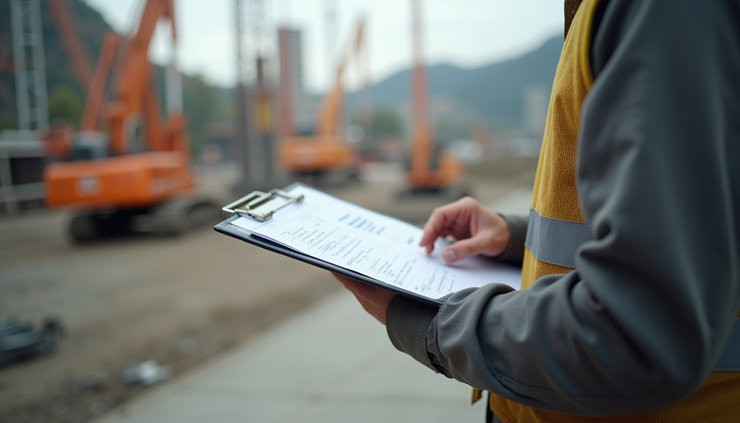
Understanding the Role of a Planning Engineer
Before diving into interview questions, it’s important to know what a planning engineer does. This role involves creating detailed project schedules, coordinating with various teams, monitoring progress, and adjusting plans to avoid delays. Planning engineers work closely with project managers, engineers, and contractors to keep projects on track.
Employers look for candidates who can think ahead, solve problems quickly, and communicate clearly. Your answers should reflect your ability to manage time, resources, and risks effectively.
Common Interview Questions and How to Approach Them
1. How do you develop a project schedule?
Interviewers want to know your process for creating a timeline that is realistic and achievable. Explain the steps you take, such as:
Reviewing project scope and requirements
Breaking down work into smaller tasks
Estimating the duration for each task
Identifying dependencies between tasks
Allocating resources and setting milestones
Use examples from your experience to show how you have successfully built schedules that helped projects finish on time.
2. What tools do you use for planning and scheduling?
While you should avoid mentioning specific software names, focus on the types of tools and methods you rely on. Talk about:
Using spreadsheets or charts to organize tasks
Creating Gantt charts or timelines for visual tracking
Applying critical path method (CPM) to identify key activities
Regularly updating schedules based on progress reports
Highlight your flexibility in adapting to different tools and your focus on clear communication through visual aids.
3. How do you handle delays or unexpected changes in a project?
Delays are common in construction, so interviewers want to see how you respond under pressure. Describe your approach:
Quickly assessing the cause and impact of the delay
Communicating with stakeholders to understand constraints
Adjusting the schedule to accommodate changes without compromising quality
Proposing solutions like reallocating resources or resequencing tasks
Give a real-life example where you managed a delay effectively and kept the project moving forward.
4. How do you coordinate with different teams on a project?
Planning engineers must work with multiple disciplines. Explain how you:
Maintain clear and regular communication with engineers, contractors, and managers
Organize meetings to discuss progress and challenges
Use shared documents or dashboards to keep everyone updated
Resolve conflicts by understanding each team’s priorities and constraints
Show that you value teamwork and can bridge gaps between different groups.
5. What is your experience with risk management in planning?
Risk management is key to avoiding surprises. Discuss how you:
Identify potential risks early in the planning phase
Analyze the likelihood and impact of each risk
Develop contingency plans to address risks if they occur
Monitor risks throughout the project and adjust plans accordingly
Provide examples where your risk management helped prevent major setbacks.
6. Can you explain the critical path method and its importance?
This question tests your technical knowledge. Explain that the critical path method helps identify the longest sequence of dependent tasks that determine the project duration. Emphasize that:
Tasks on the critical path cannot be delayed without affecting the overall timeline
Monitoring the critical path helps prioritize resources and attention
Adjusting non-critical tasks can provide flexibility without impacting deadlines
Use simple language and relate it to your experience managing schedules.
7. How do you ensure accuracy in your project estimates?
Accuracy in planning depends on good data and realistic assumptions. Describe your approach:
Gathering detailed information from design documents and site visits
Consulting with experts and team members for input
Using historical data from similar projects as benchmarks
Reviewing and revising estimates regularly as new information emerges
Highlight your attention to detail and commitment to realistic planning.
8. Describe a challenging project you planned and how you handled it.
This behavioral question lets you showcase your problem-solving skills. Choose a project where you faced tight deadlines, resource constraints, or unexpected issues. Explain:
The challenges you encountered
The steps you took to address them
How you communicated with the team and stakeholders
The final outcome and lessons learned
Be honest and focus on what you did to keep the project on track.
9. How do you track progress and report it to stakeholders?
Tracking progress is essential to avoid surprises. Explain your method:
Setting clear milestones and key performance indicators (KPIs)
Collecting regular updates from site teams and contractors
Comparing actual progress against the schedule
Preparing clear, concise reports with visuals for stakeholders
Mention your ability to tailor reports to different audiences, from technical teams to management.
10. What do you do when you notice a project is falling behind schedule?
Interviewers want to see your proactive approach. Describe how you:
Analyze the reasons for the delay
Identify tasks that can be accelerated or overlapped
Communicate with the team to find solutions
Adjust the schedule and resources to recover lost time
Use an example where your intervention helped bring a project back on track.
Tips for Answering Planning Engineer Interview Questions
Be specific: Use real examples from your experience.
Show your process: Explain how you think and work step by step.
Highlight communication: Planning engineers must coordinate well with others.
Demonstrate problem-solving: Employers want candidates who can handle challenges calmly.
Keep answers clear: Avoid jargon and explain technical terms simply.
Preparing Beyond Questions
Besides knowing the questions, prepare to discuss your resume and past projects in detail. Be ready to explain how your skills fit the company’s needs and how you can contribute to their projects. Practice explaining complex ideas clearly and confidently.
Final Thoughts
Interviewing for a planning engineer role requires more than technical knowledge. Employers want to see your ability to plan realistically, communicate effectively, and solve problems quickly. Preparing answers to these common questions will help you present yourself as a strong candidate who can keep construction projects running smoothly.
If you want to build your skills further and get full training in quantity surveying and construction management, consider exploring specialized courses. These can boost your confidence and knowledge for interviews and on-the-job success.
Comments