Understanding the Essentials of Plumbing Layout Planning for Your Building Project
- BHADANIS QUANTITY SURVEYING ONLINE TRAINING INSTITUTE

- Mar 23
- 3 min read
When starting a building project, one of the most critical yet often overlooked steps is planning the plumbing layout. A well-thought-out plumbing system ensures water flows efficiently, waste is disposed of properly, and maintenance becomes easier down the line. Poor planning can lead to costly repairs, water damage, or even health hazards. This post breaks down the essentials of plumbing layout planning in a simple way, helping you understand what to focus on and why it matters.
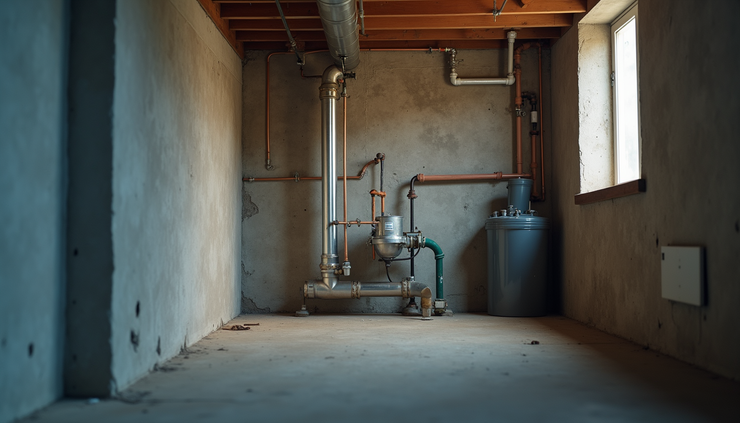
Why Plumbing Layout Planning Matters
Plumbing is the backbone of any building’s functionality. It delivers clean water for drinking, cooking, and cleaning, and safely removes wastewater. Without a clear plan, you risk:
Pipes running inefficiently, causing low water pressure or slow drainage.
Increased chances of leaks or blockages.
Higher installation and repair costs.
Difficulty in future upgrades or repairs.
Planning the layout early helps avoid these issues. It also ensures compliance with local building codes and standards, which protect your investment and safety.
Key Components of Plumbing Layout Planning
When planning a plumbing system, several elements must be considered:
Water Supply Lines
These pipes bring fresh water into the building. Planning involves:
Determining the main water source entry point.
Designing pipe routes to reach all fixtures with minimal bends.
Choosing pipe sizes that maintain adequate water pressure.
Including shut-off valves for easy maintenance.
Drainage and Waste Systems
Wastewater must flow away smoothly to prevent backups. This requires:
Proper slope for drainage pipes to use gravity effectively.
Vent pipes to allow air into the system, preventing vacuum locks.
Placement of traps to block sewer gases from entering the building.
Planning for cleanouts to access pipes for clearing blockages.
Fixtures and Appliances
Each fixture (toilets, sinks, showers) and appliance (water heaters, dishwashers) has specific plumbing needs. The layout must:
Position fixtures logically for user convenience.
Ensure water supply and drainage connections are accessible.
Account for future additions or changes.
Steps to Plan a Plumbing Layout
1. Understand the Building’s Design
Start with the architectural plans. Note the locations of kitchens, bathrooms, laundry rooms, and utility areas. These are the main points where plumbing is needed.
2. Identify Water Supply Entry and Waste Exit Points
Locate where the main water line enters the building and where the wastewater will leave. These points anchor your plumbing layout.
3. Map Out Pipe Routes
Draw the paths for supply and drainage pipes. Keep routes as direct as possible to reduce material costs and pressure loss. Avoid unnecessary bends and intersections.
4. Calculate Pipe Sizes and Slopes
Use standard guidelines to size pipes based on expected water demand and drainage volume. For drainage pipes, maintain a slope of about 1/4 inch per foot to ensure gravity flow.
5. Plan Venting and Traps
Include vent pipes that rise above the roofline to allow air into the drainage system. Place traps under fixtures to prevent sewer gases from entering living spaces.
6. Include Access Points
Design cleanouts at strategic locations for easy maintenance. These are openings where plumbers can insert tools to clear clogs.
7. Review and Adjust
Check the layout for conflicts with other building systems like electrical wiring or HVAC ducts. Adjust as needed to avoid interference.
Practical Tips for Effective Plumbing Layouts
Group fixtures together: Placing bathrooms or kitchens close reduces pipe lengths and complexity.
Use standard pipe materials: Common choices include PVC for drainage and copper or PEX for water supply.
Plan for insulation: Insulate pipes in cold areas to prevent freezing.
Think about future needs: Leave room for additional fixtures or upgrades.
Follow local codes: Always check regulations to ensure your design meets safety and quality standards.
Common Mistakes to Avoid
Ignoring pipe slope, leading to slow drainage or blockages.
Overcomplicating pipe routes with unnecessary bends.
Forgetting vent pipes, causing sewer gases to enter the building.
Skipping shut-off valves, making repairs difficult.
Not planning for maintenance access points.
Example: Simple Plumbing Layout for a Small House
Imagine a small house with one kitchen, two bathrooms, and a laundry area. The main water line enters near the kitchen. Grouping the kitchen and laundry close together allows sharing of supply and drainage lines. Bathrooms are placed on the same side of the house to simplify venting and drainage. Pipes run mostly along walls and under floors with proper slopes. Shut-off valves are installed near fixtures for easy control.
This layout minimizes pipe length and complexity, saving money and reducing potential problems.
Planning a plumbing layout may seem technical, but breaking it down into clear steps makes it manageable. A good plan saves money, prevents headaches, and ensures your building’s plumbing works smoothly for years.
For those looking to deepen their knowledge and skills in construction and quantity surveying, there are many courses available that cover plumbing and other essential building systems.
500+ CONSTRUCTION COURSES FOR FULL TRAINING WHATSAPP US AT +918603333379
BHADANIS QUANTITY SURVEYING TRAINING INSTITUTE
FOR FULL TRAINING & CERTIFICATIONS
Comments