Understanding the MEP Work Sequence for Successful Building Construction

When constructing a building, the mechanical, electrical, and plumbing (MEP) systems are crucial for making the structure functional and comfortable. These systems include heating and cooling, power supply, lighting, water supply, drainage, and fire safety. Getting the MEP work sequence right is essential to avoid delays, reduce rework, and ensure safety and efficiency.
This post breaks down the step-by-step MEP work sequence in building construction. It explains how each phase fits into the overall construction process and offers practical insights to help builders, contractors, and engineers manage MEP installations smoothly.
What is MEP Work and Why Does Its Sequence Matter?
MEP work covers the installation of mechanical, electrical, and plumbing systems inside a building. These systems are often complex and interdependent. For example, electrical conduits must not clash with plumbing pipes, and HVAC ducts need space without interfering with structural elements.
If MEP work is not planned and executed in the right order, it can cause:
Conflicts between different systems
Delays in construction schedules
Increased costs due to rework
Safety hazards during installation and operation
Following a clear sequence helps coordinate trades, avoid clashes, and maintain quality.
Step 1: Planning and Coordination
Before any physical work begins, detailed planning and coordination are essential. This phase involves:
Reviewing architectural and structural drawings
Preparing MEP layout drawings showing locations of ducts, pipes, cables, and equipment
Coordinating with architects, structural engineers, and contractors to avoid clashes
Scheduling the sequence of MEP activities in line with the overall construction timeline
Good planning reduces surprises on site and ensures all teams understand their roles and timing.
Step 2: Installation of Mechanical Systems
Mechanical systems usually include heating, ventilation, and air conditioning (HVAC). The installation typically starts after the main structure is ready but before finishes like plastering or painting.
Key activities include:
Installing ductwork for air distribution
Setting up HVAC equipment such as air handling units, chillers, and boilers
Installing insulation around ducts and pipes to improve energy efficiency
Testing mechanical systems for leaks and airflow
Mechanical work often requires large spaces and access, so it is done early to avoid damage during later stages.
Step 3: Electrical System Installation
Electrical work follows mechanical installation but often overlaps with plumbing. It includes:
Laying electrical conduits and wiring through walls, ceilings, and floors
Installing switchboards, panels, and distribution boards
Setting up lighting fixtures, sockets, and power outlets
Installing fire alarm and emergency systems
Electricians must carefully follow safety codes and ensure wiring does not interfere with plumbing or mechanical ducts.
Step 4: Plumbing System Installation
Plumbing involves water supply, drainage, and sewage systems. This work is usually done alongside or just after electrical installation.
Tasks include:
Installing water supply pipes and fittings
Setting up drainage and sewage pipes with proper slopes for flow
Installing sanitary fixtures like toilets, sinks, and showers
Testing for leaks and ensuring proper water pressure
Plumbing pipes are often hidden inside walls or under floors, so accuracy during installation is critical to avoid future repairs.
Step 5: Testing and Commissioning
Once all MEP systems are installed, thorough testing is necessary to confirm everything works as intended.
Testing includes:
Checking electrical circuits for continuity and insulation resistance
Testing HVAC systems for airflow, temperature control, and noise levels
Inspecting plumbing for leaks, water pressure, and drainage flow
Verifying fire safety systems operate correctly
Commissioning ensures the building’s MEP systems are safe, efficient, and ready for use.
Step 6: Final Finishes and Adjustments
After testing, final finishes like painting, ceiling installation, and flooring proceed. During this phase, minor adjustments to MEP systems may be needed, such as:
Adjusting HVAC vents for better airflow
Fixing electrical outlets or switches
Sealing plumbing fixtures to prevent leaks
Careful handling during finishes prevents damage to installed systems.
Practical Tips for Managing MEP Work Sequence
Communicate regularly between all teams to avoid misunderstandings.
Use clear drawings and schedules to guide installation.
Inspect work at each stage to catch issues early.
Plan for access points to allow future maintenance.
Keep safety standards a top priority during all installations.
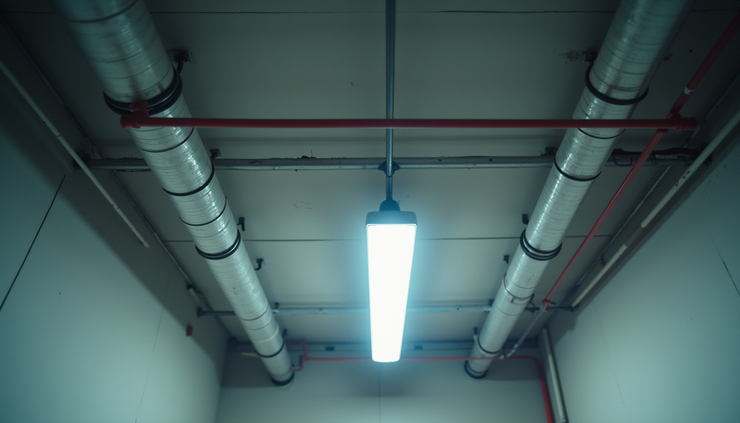
Getting the MEP work sequence right is key to a successful building project. It saves time, reduces costs, and ensures the building functions well for years. If you are involved in construction, understanding these steps will help you plan and execute MEP installations with confidence.
For those looking to deepen their knowledge and skills in construction, especially quantity surveying and MEP coordination, 500+ construction courses are available. Reach out via WhatsApp at +918603333379 or visit Bhadani's Quantity Surveying Training Institute for full training and certifications.
Comments