Understanding the Shop Drawing Review Process for Effective Project Management
- BHADANIS QUANTITY SURVEYING ONLINE TRAINING INSTITUTE

- Mar 24
- 4 min read
In construction projects, the shop drawing review process plays a crucial role in ensuring that designs translate accurately into the built environment. For quantity surveyors, MEP engineers, civil engineers, construction managers, and architects, understanding this process can prevent costly mistakes, delays, and miscommunications. This article breaks down the shop drawing review process, explaining its importance and offering practical guidance to help professionals manage projects more effectively.
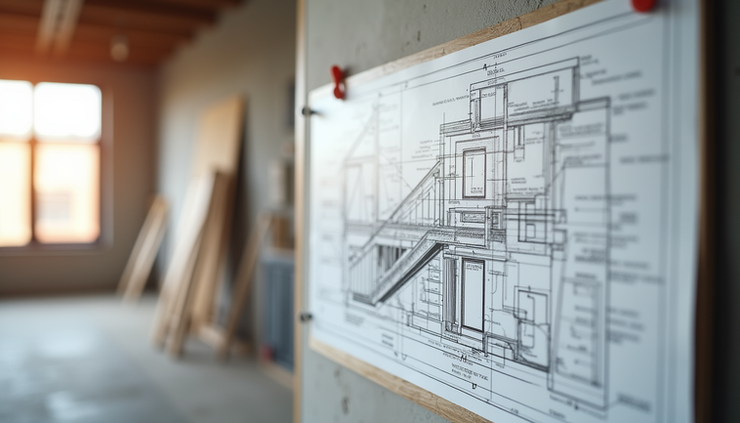
What Are Shop Drawings and Why Do They Matter?
Shop drawings are detailed drawings created by contractors, fabricators, or suppliers. They show how specific components of a project will be manufactured, assembled, or installed. Unlike design drawings, which provide the overall vision and specifications, shop drawings focus on the technical details needed for construction.
These drawings cover a wide range of elements such as steel frameworks, HVAC systems, plumbing layouts, electrical panels, and custom cabinetry. The accuracy of shop drawings directly affects the quality and safety of the final construction.
For project teams, reviewing shop drawings is essential to:
Confirm that the drawings meet design intent and contract requirements.
Identify conflicts or discrepancies before fabrication or installation.
Ensure compliance with codes, standards, and specifications.
Avoid costly rework and project delays.
Key Steps in the Shop Drawing Review Process
The review process involves several stages, each requiring attention from different stakeholders. Here’s a typical workflow:
1. Submission of Shop Drawings
Contractors or suppliers prepare and submit shop drawings to the design team or project manager. These submissions often include:
Detailed drawings with dimensions and materials.
Product data sheets.
Samples or mock-ups if necessary.
Clear communication during submission helps avoid confusion and speeds up the review.
2. Initial Review by Design Team
The design team, including architects and engineers, examines the drawings to check:
Compliance with design intent.
Accuracy of dimensions and materials.
Coordination with other building systems.
At this stage, reviewers look for any obvious errors or omissions.
3. Coordination Review
Shop drawings often involve multiple disciplines. For example, mechanical ductwork must not clash with electrical conduits or structural elements. Coordination review involves:
Cross-checking drawings from different trades.
Identifying and resolving conflicts.
Adjusting layouts to fit within the building constraints.
This step reduces on-site issues and improves workflow.
4. Comments and Corrections
Reviewers provide feedback, which may include:
Requests for clarification.
Required changes or corrections.
Approval with conditions.
Contractors revise the drawings based on comments and resubmit them for final approval.
5. Final Approval and Distribution
Once the drawings meet all requirements, the design team approves them. Approved shop drawings become part of the construction documents and guide fabrication and installation.
Common Challenges in the Shop Drawing Review Process
Understanding potential pitfalls helps project teams avoid delays and errors. Some common challenges include:
Incomplete or unclear drawings: Missing details or ambiguous notes can cause confusion.
Poor coordination between trades: Overlapping or conflicting systems lead to rework.
Tight review schedules: Rushed reviews increase the risk of overlooking errors.
Lack of communication: Delays in feedback or unclear comments slow down the process.
Addressing these challenges requires clear procedures, good communication, and realistic timelines.
Practical Tips for Effective Shop Drawing Review
Here are some strategies to improve the review process:
Use a Standardized Review Checklist
A checklist ensures that all critical aspects are checked consistently. Items might include:
Dimensions and scale accuracy.
Material specifications.
Compliance with codes.
Coordination with other systems.
Assign Clear Responsibilities
Define who reviews what and when. For example, architects focus on design intent, engineers on technical details, and project managers on schedule impact.
Encourage Early Submission
Receiving shop drawings early allows more time for thorough review and reduces pressure.
Use Markups and Clear Comments
Provide precise, actionable feedback. Avoid vague statements and highlight specific areas needing attention.
Hold Coordination Meetings
Regular meetings between disciplines help resolve conflicts before final approval.
Track Revisions Carefully
Maintain records of all versions and comments to avoid confusion.
The Role of Shop Drawing Review in Project Success
The shop drawing review process is more than a formality. It directly impacts:
Quality: Ensures that components fit and function as intended.
Schedule: Prevents delays caused by rework or on-site conflicts.
Budget: Reduces costly changes during construction.
Safety: Confirms compliance with standards and reduces risks.
For quantity surveyors, accurate shop drawings help in precise measurement and cost control. MEP engineers rely on them to ensure systems integrate smoothly. Civil engineers and construction managers use them to plan installation sequences and resource allocation. Architects verify that the final product matches their design vision.
Example: Coordinating HVAC and Electrical Systems
Imagine a project where the HVAC ductwork clashes with electrical conduits in a ceiling space. Without a proper shop drawing review, this conflict might only become apparent during installation, causing delays and extra costs.
During the review, the mechanical and electrical drawings are compared. The conflict is identified, and the teams adjust duct sizes or reroute conduits. This coordination saves time and money and avoids frustration on site.
Conclusion: Making Shop Drawing Reviews Work for You
Mastering the shop drawing review process is essential for anyone involved in construction projects. It requires attention to detail, clear communication, and collaboration across disciplines. By following structured steps and addressing common challenges, project teams can improve quality, save time, and control costs.
If you want to deepen your knowledge and skills in construction management, quantity surveying, or engineering, consider comprehensive training programs. These courses provide practical insights and real-world examples to help you excel in your role.
500+ CONSTRUCTION COURSES FOR FULL TRAINING WHATSAPP US AT +918603333379
BHADANIS QUANTITY SURVEYING TRAINING INSTITUTE
FOR FULL TRAINING & CERTIFICATIONS
Comments